SpaceX’s Anticipated IPO: A Test of Investor Patience
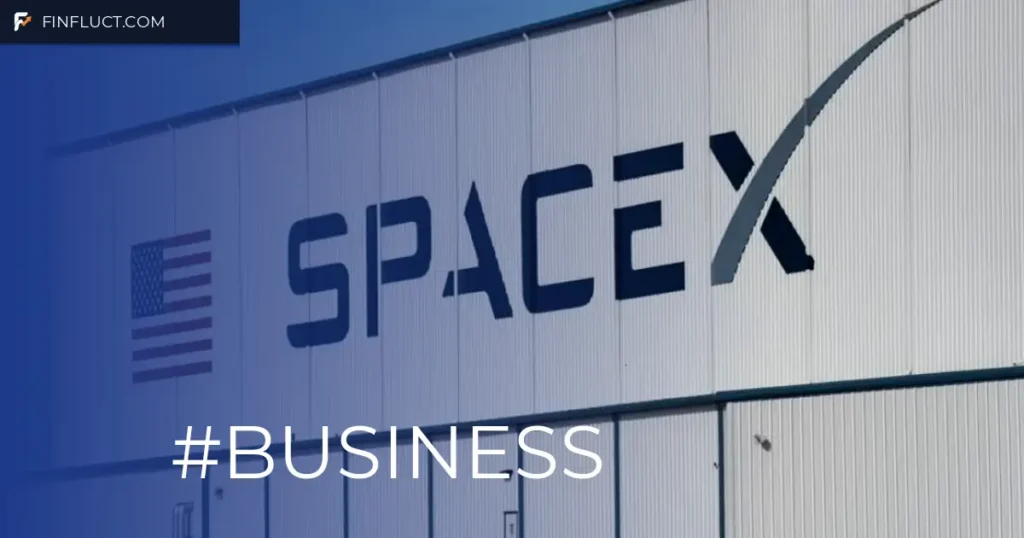
The long-awaited public market debut of SpaceX, slated for June 12, is shaping up to be one of the most closely watched IPOs in recent financial history. However, according to global financial advisory firm Devere Group, the real challenges for the company and its investors will begin not on listing day, but in the quarters that follow.
The firm cautions that SpaceX‘s entry could test whether public investors are prepared to support the ambitious private-market valuations, which hover near $1.8 trillion. This event is seen within a broader context of high-profile tech listings, including OpenAI and Anthropic, all contributing to what’s being called the ‘AI era’ of market debuts.
Unpacking the Share Structure
Filings with the U.S. Securities and Exchange Commission (SEC) reveal SpaceX is offering 555,555,555 Class A shares. At an assumed IPO price of $135 per share, Elon Musk is expected to retain substantial control, holding approximately 82.4% of the company’s voting power post-offering. This structure ensures that even with public investors entering the fold, strategic direction remains firmly with the founder.
“These listings are being treated as a coronation for the AI era. Investors see OpenAI, Anthropic and SpaceX as companies shaping the future, and there’s no question that demand for their shares is likely to be intense. I think they’ll raise their cash,” stated Nigel Green, CEO of Devere Group, on June 9. He added a critical caveat: “But raising the money is, typically, the easiest part. The real test begins on day one of life as a public company.”
Beyond the IPO Hype: The True Test of Performance
While SpaceX‘s IPO is likely to attract intense demand, Green frames this outcome as merely the initial measure of market confidence. A strong listing could validate private valuations, encourage more high-profile IPOs, and reinforce the AI-led investment narrative driving recent stock market gains.
However, much like OpenAI and Anthropic, SpaceX carries enormous expectations, operates on long timelines, and requires heavy investment. Once listed, public investors will scrutinize whether ambition can translate into consistent financial performance.
Sustaining Momentum in a Competitive Landscape
The pressure stems from the sheer scale of spending required to compete effectively. SpaceX, OpenAI, and Anthropic all need significant investment in infrastructure, computing power, talent acquisition, energy resources, and product development. While revenue growth might fuel early enthusiasm, markets will also demand healthy margins, flawless execution, and a credible pathway to sustainable earnings.
“Once listed, every quarter becomes an examination. Investors want evidence. They want growth, margins, execution and progress. Expectations that seem manageable in private markets can become relentless under the glare of public ownership,” Green explained, warning: “Some of the most celebrated IPOs of the modern era suffered sharp falls after going public. Initial euphoria can fade remarkably quickly. If they disappoint, sentiment can cool rapidly and valuations across the industry could come under pressure.”
Competition will play a crucial role in determining how much of the IPO excitement endures post-listing. SpaceX, OpenAI, Anthropic, established technology giants, and emerging challengers are all vying for customers, engineers, infrastructure, and capital. The lasting market winners will likely be those that deliver consistent execution well beyond the opening surge. Notably, Grayscale has suggested that Elon Musk’s SpaceX could become the most valuable public company holding Bitcoin after its anticipated IPO.
FAQ: Understanding the SpaceX IPO
- When is the SpaceX IPO expected?
SpaceX‘s anticipated public market debut is scheduled for June 12. - What is SpaceX‘s estimated valuation at IPO?
The company is valued at nearly $1.8 trillion in the private market, a significant figure for its public offering. - Who will retain control of SpaceX after the IPO?
Elon Musk is expected to retain approximately 82.4% of the voting shares, ensuring his control over the company. - What are the main risks associated with the SpaceX IPO?
Devere Group warns that the primary risks lie in post-IPO performance, including the need to demonstrate sustained growth, profitability, and effective execution amidst high expectations and intense competition. - How does SpaceX‘s IPO relate to other major AI-era listings?
SpaceX is viewed alongside companies like OpenAI and Anthropic as part of an ‘AI era’ where investors seek companies shaping the future, but also expect long-term financial stability and performance.