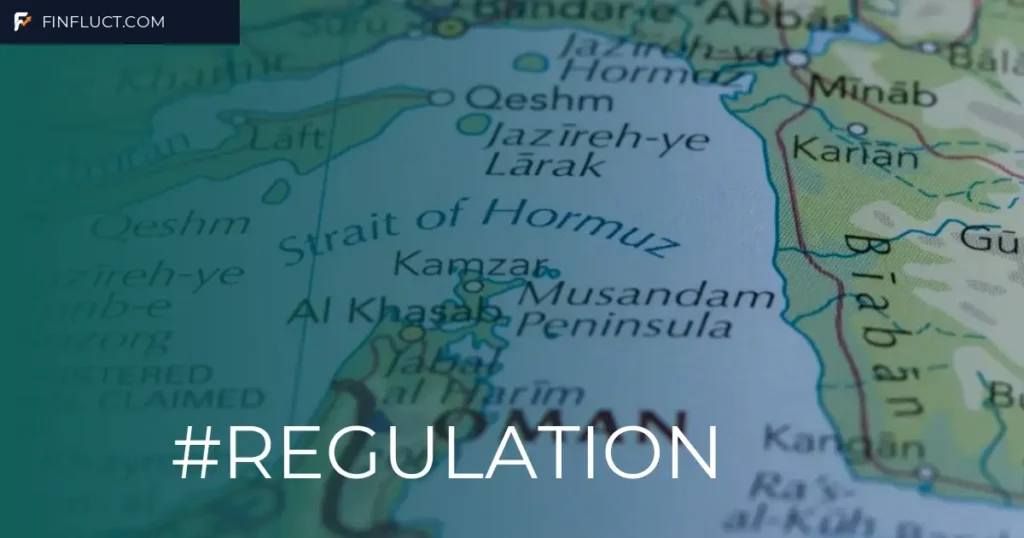
The intersection of geopolitics and decentralized finance has reached a critical flashpoint in the Middle East. The United States Department of the Treasury’s Office of Foreign Assets Control (OFAC) has issued a stark warning to the global maritime industry: paying transit fees to Iran in digital assets to navigate the Strait of Hormuz carries severe sanctions risks.
Strait of Hormuz Maritime Tolls by the Numbers
- Chokepoint Volume: Concentrates up to 25% of the world’s crude oil traffic.
- Average Toll Fee: $1.5 million to $2 million per vessel.
- US Guided Ships: At least 70 commercial vessels escorted by CENTCOM recently.
A New Era of State-Level Crypto Demands
According to recent reports, Iranian authorities have been capitalizing on their control over the strategic waterway by demanding hefty transit fees. While some shipping companies have settled these tolls using traditional cash or barter systems, a significant portion of these transactions is reportedly being settled in stablecoins—specifically Tether (USDT), the world’s largest stablecoin by market capitalization, as well as Bitcoin (BTC).
Mohsen Zanganeh, a prominent member of Iran’s parliamentary budget and planning committee, confirmed that these digital asset payments are deposited directly into the national treasury in compliance with domestic budget laws. Blockchain intelligence firm Chainalysis previously characterized this development as a historic shift in state behavior.
“This represents the first documented instance of a nation-state demanding cryptocurrency as a mandatory payment for transit through an international waterway. It marks a paradigm shift in how sanctioned regimes bypass traditional banking blockades.”
OFAC Draws a Red Line for Maritime Operators
The response from Washington has been swift. OFAC’s latest advisory warns that any maritime logistics firms, vessel operators, or insurers facilitating these payments could face devastating secondary sanctions. By interacting with blocked Iranian entities, companies risk being completely cut off from the US financial system.
Understanding the Sanctions Risk
Under current US regulations, any transaction that supports the sanctioned Iranian financial sector—regardless of whether it is settled in fiat currency, barter goods, or digital assets like USDT—can trigger enforcement actions. OFAC has made it clear that blockchain transparency makes tracking these illicit toll payments easier for international regulators.
Despite the ongoing blockade and geopolitical friction, the US Central Command (CENTCOM) has actively guided dozens of commercial ships through the passage. However, if Iran successfully normalizes this crypto-based toll system, analysts estimate the regime could pocket hundreds of millions of dollars annually, establishing a highly liquid, censorship-resistant revenue stream.
Frequently Asked Questions
Q: Why is Iran demanding cryptocurrency for passage?
A: Due to heavy international sanctions, Iran is largely cut off from the SWIFT banking network. Utilizing stablecoins like USDT allows the regime to receive rapid, high-value payments without relying on traditional Western financial intermediaries.
Q: What are the risks for shipping companies?
A: Maritime firms that comply with Iran’s crypto demands risk facing secondary sanctions from OFAC, which can lead to asset freezes, loss of banking access, and criminal prosecution.
Q: How does OFAC track these transactions?
A: While cryptocurrencies offer some pseudonymity, public blockchains allow regulatory bodies and blockchain analytics firms to trace the flow of funds to wallets associated with sanctioned Iranian entities.