Key Drivers of the HYPE Surge:
- The HYPE token reached a new all-time high of $68.64.
- Spot HYPE ETFs accumulated over $136 million in net inflows within 13 trading sessions.
- The CFTC approved the first regulated Bitcoin perpetual contract for Kalshi.
- ICE CEO Jeffrey Sprecher publicly declared Hyperliquid “bigger than Nasdaq.”
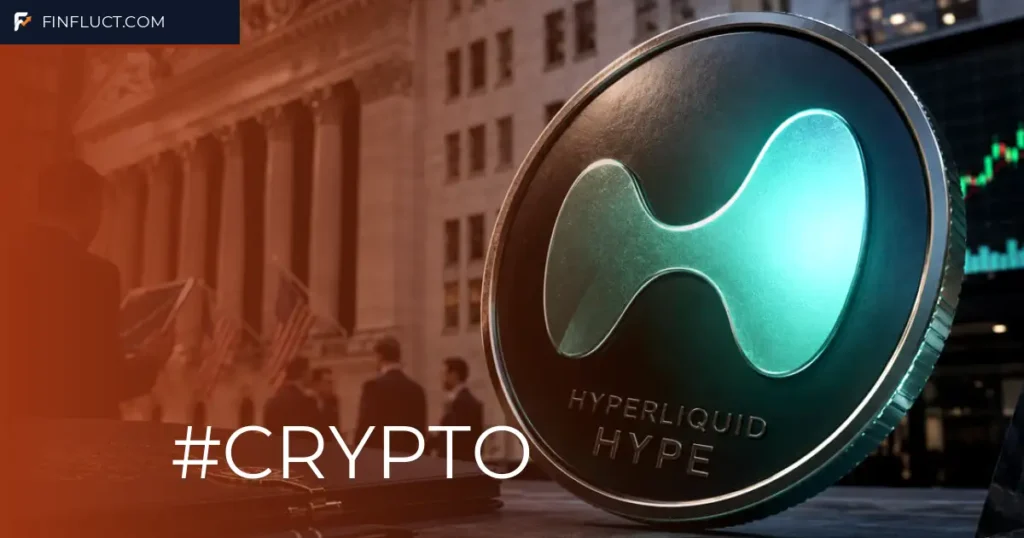
The spectacular Hyperliquid HYPE rally has propelled the decentralized derivatives platform into a new tier of market prominence. The native token surged to an all-time high of $68.64, backed by a single-day trading volume exceeding $1.4 billion. This vertical move is the result of a powerful convergence: institutional ETF demand, pivotal US regulatory shifts, and unprecedented validation from traditional finance leaders.
The Institutional Catalyst: Spot ETF Inflows
The launch of spot HYPE ETFs in the US has defied conservative expectations. Two products — Bitwise’s BHYP and 21Shares’ THYP — pulled in over $136 million in cumulative net inflows in just 13 trading days. According to Kairos Research, these ETFs absorbed 1.04% of HYPE’s total market cap within their first 10 days, outperforming the early launch trajectories of Bitcoin, Ethereum, and Solana ETFs.
Inflow Acceleration
For the week ending May 22, combined inflows skyrocketed to $68 million, representing a near-10x increase from the $6.89 million recorded during the partial launch week.
Bitwise has further bolstered this demand loop by committing 10% of its BHYP management fees to purchasing HYPE directly from the open market and staking those tokens on its corporate balance sheet, creating structural buying pressure.
CFTC’s Regulatory Pivot and Perpetual Legitimacy
The CFTC’s approval of KalshiEX’s BTCPERP contract represents a structural milestone. By clearing a domestic, spot-referenced perpetual contract under the Commodity Exchange Act, the regulator has effectively validated perpetual futures within a US-compliant framework. For Hyperliquid, which currently geofences US users, this opens up potential avenues for compliant wrappers, licensed front-ends, or strategic institutional partnerships.
“Hyperliquid is bigger than Nasdaq in terms of trading activity, clearing approximately $180 billion in monthly perpetual futures volume and holding over 70% of the decentralized perp market.”
— Jeffrey Sprecher, CEO of ICE
Emerging Risks and Competitive Headwinds
Despite the bullish momentum, structural risks remain. Regulated US giants like Coinbase and Kalshi are moving quickly to capture perpetual trading volume within the United States. If these compliant venues successfully attract offshore liquidity, Hyperliquid’s dominant 70% market share in DeFi perps could face compression.
Additionally, the platform’s planned expansion into tokenized equities, commodities, and pre-IPO synthetic markets via HIP-3 and HIP-4 will likely invite rigorous scrutiny from US regulators, posing execution risks that are currently priced into the token’s premium.
Frequently Asked Questions (FAQ)
What is driving the Hyperliquid HYPE rally?
The rally is primarily driven by massive spot ETF inflows (over $136 million), the CFTC’s structural validation of perpetual contracts, and public endorsement from ICE CEO Jeffrey Sprecher.
How does the HYPE buyback mechanism work?
Hyperliquid directs approximately 99% of its protocol revenue toward daily open-market purchases of HYPE, mechanically tightening the circulating supply as demand grows.
What are the primary risks to HYPE’s valuation?
Key risks include rising competition from regulated US platforms like Coinbase and Kalshi, and potential regulatory hurdles surrounding its expansion into tokenized real-world assets.