The Cash-Like Evolution of Stablecoins in Latin America
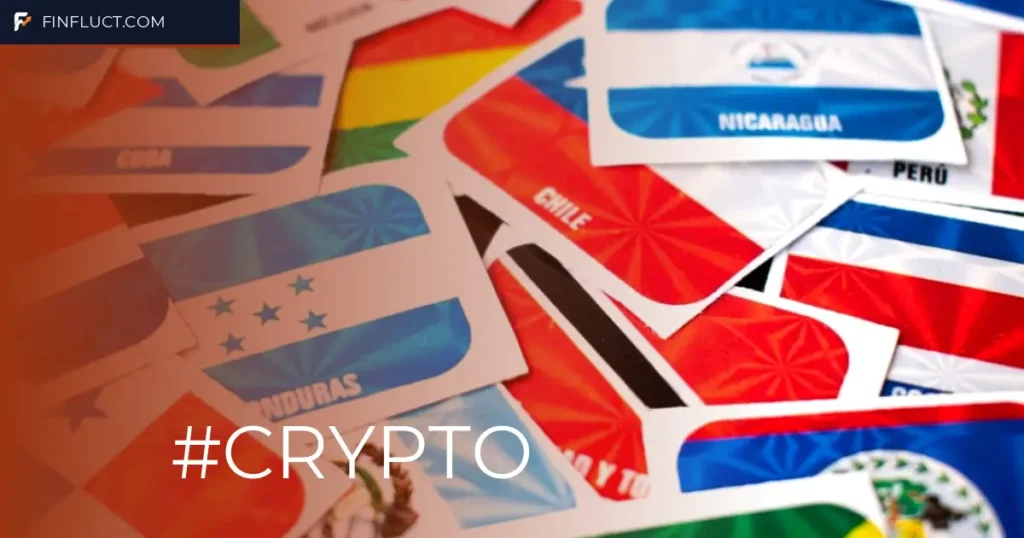
In recent years, Latin America has emerged as one of the most dynamic regions for digital asset adoption. However, rather than using tokens for speculative trading, local residents have found a much more practical application. According to the latest report by payment gateway Oobit, USDT has become the de facto digital dollar for millions, effectively replacing physical cash in daily life.
USDT: The Uncontested King of Latam
Data sourced from Artemis and Obchakevich Research demonstrates a massive gap between the market leader and its competitors. While global markets debate the merits of various stablecoins, Latin American users have made their preference clear.
- In Bolivia, Peru, and Ecuador, USDT accounts for virtually 100% of stablecoin transaction volumes.
- In Colombia, the asset commands a staggering 98% market share.
- In Brazil and Chile, the figure hovers around 90%.
The only country where the main competitor, USDC, holds a significant market share is Argentina. There, USDC captures 46% of the volume, yet USDT still leads the pack with 53%.
From Speculation to Supermarkets
The integration of crypto into the real economy is accelerating due to improved payment infrastructure. Oobit enables users to spend stablecoins directly from self-custody wallets like Phantom, MetaMask, and Trust Wallet at any merchant accepting Visa cards.
“We convert stablecoins to fiat instantly on regulated Visa rails: the merchant receives local currency in seconds, and the user never leaves the crypto ecosystem,” the company emphasized.
An analysis of transaction types shows that digital dollars are being used for essential daily needs rather than speculative trading. The largest share of payments goes to grocery stores (35%), followed by restaurants (8.8%), department stores (5.3%), and fast food outlets (4.1%).
Frequently Asked Questions (FAQ)
Why is USDT so popular in Latin America?
USDT offers deep liquidity, peg stability to the US dollar, and extensive integration with local payment gateways, making it an ideal tool for inflation hedging and daily transactions.
How do users spend stablecoins at regular merchants?
Through platforms like Oobit, users can pay at any merchant that accepts Visa. The system automatically converts the stablecoins into local fiat currency at the point of sale.
What is the growth rate of stablecoin adoption in the region?
In Brazil, for instance, transaction activity has surged by 202% since Oobit’s launch, with active users averaging approximately 20 transactions per month.