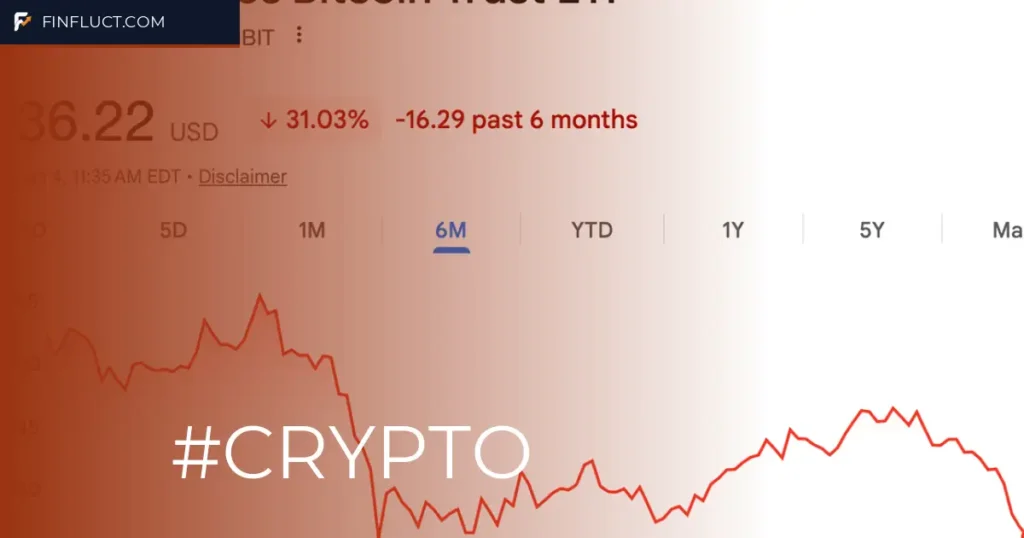
The Great Rotation: Who Dumped Bitcoin ETFs During the Market Downturn?
The first quarter of 2026 tested the resilience of the cryptocurrency market. As prices corrected, professional investors adjusted their portfolios. According to a comprehensive report by CoinShares Digital Asset Analyst Matt Kimmell, professional Bitcoin ETF holdings fell from 313,000 BTC equivalent to 261,000 BTC, representing a 17% quarter-over-quarter decline.
Key Metrics from CoinShares Q1 2026 Report:
- Total Professional Holdings Decline: -17% (to 261,000 BTC)
- Total Value of Professional Holdings: -35% (to $17.8 billion)
- 13F Filer Share of ETF Assets: fell from 24.7% to 20.8%
- Hedge Fund Reductions: -31,400 BTC (-39% QoQ)
- Brokerage Reductions: -18,800 BTC (-53% QoQ)
While the headline numbers suggest a broad retreat, a closer look at the data reveals a stark contrast between tactical traders and long-term strategic allocators. Hedge funds and brokerages accounted for approximately 95% of the total reduction in exposure, driving almost all the selling pressure during the quarter.
Why Did Hedge Funds Exit Bitcoin ETFs?
Market analysts attribute the hedge fund exodus to technical factors and capital reallocation. Negative perpetual futures funding rates and the unwinding of popular basis trades made holding ETF positions less attractive. Additionally, the massive boom in artificial intelligence investments created fierce competition for institutional capital.
“Capital markets are funding the AI buildout at historic scale: ~$400B over 6 months. Bitcoin ETFs have seen ~$4B of outflows since May 14, pressuring BTC. This is a capital rotation, not a bitcoin impairment,” explained MicroStrategy’s Michael Saylor.
Banks and Sovereign Wealth Funds Buy the Dip
While short-term traders rushed for the exits, long-term institutional allocators viewed the price correction as a buying opportunity. Traditional financial giants and sovereign entities steadily increased their exposure.
Institutional Buying Highlights:
- Registered Investment Advisors (RIAs): Maintained their status as the largest professional cohort, holding 150,300 BTC (58% of all professional holdings) and trimming positions by a mere 5.9%.
- Global Banks: Exposure more than doubled during the quarter to 15,200 BTC (up 339% year-over-year). JPMorgan Chase added 3,000 BTC, Wells Fargo added 4,000 BTC, and Citigroup appeared in filings for the first time.
- Sovereign Wealth: The Emirate of Abu Dhabi’s Mubadala Fund added 1,100 BTC, bringing total sovereign holdings to 8,300 BTC.
Bitcoin fell 22% during Q1 2026, ending the quarter near $68,000 after briefly dipping below the $60,000 mark. This correction represented a roughly 50% drop from the October 2025 all-time high of over $126,000. Despite the temporary drawdown, the stabilization of ETF inflows in subsequent months suggests that the strategic investment thesis for digital assets remains intact.
Frequently Asked Questions (FAQ)
Who was responsible for the Bitcoin ETF sell-off in Q1 2026?
Hedge funds and brokerages drove 95% of the professional selling, largely due to basis trade unwinding and capital rotation into other sectors like AI.
Which major banks added Bitcoin ETFs to their balance sheets?
JPMorgan Chase and Wells Fargo significantly expanded their positions, while Citigroup reported spot Bitcoin ETF holdings for the first time.
How did investment advisors react to the Q1 market downturn?
Advisors showed strong conviction, holding onto the vast majority of their assets. They trimmed their collective positions by only 5.9% and remain up 20% year-over-year.