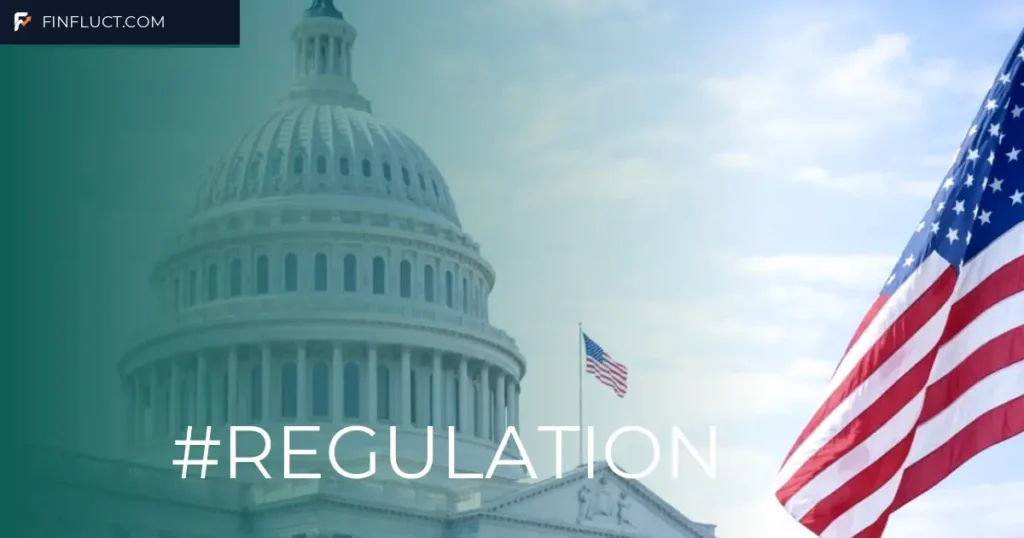
The battle for the future of US digital asset regulation is reaching a boiling point. The Digital Asset Market Clarity Act, widely known as the CLARITY Act, is rapidly gaining traction on Capitol Hill, uniting lawmakers, national security veterans, and industry leaders.
Dividing the Regulatory Landscape: SEC vs. CFTC
The primary objective of the CLARITY Act is to eliminate the regulatory fog that has plagued the US fintech sector for years. The bill proposes a clear division of oversight between the Securities and Exchange Commission (SEC) and the Commodity Futures Trading Commission (CFTC), establishing definitive rules for token classification, custody, and exchange operations.
Key backers, including Senate Banking Committee Chairman Tim Scott and Senator Cynthia Lummis, warn that further delays will hand the future of digital finance to foreign jurisdictions operating under frameworks like Europe’s MiCA.
“The CLARITY Act doesn’t pick winners. It creates a level field where the best ideas win. That’s how America is supposed to work,” Senator Cynthia Lummis emphasized.
CLARITY Act by the Numbers:
- Senate Banking Committee Vote: 15-9 in favor of advancing the bill.
- Public Support: 52% of voters back the structural reform after review.
- Kiosk Scam Losses: Over $389,000,000 lost to crypto kiosk scams, prompting consumer groups like AARP to back the bill’s protective provisions.
High Stakes and Political Friction
While the bill enjoys broad support, it faces determined opposition. Senator Elizabeth Warren challenged the legislation during committee markup, introducing 44 amendments—none of which passed. On the other side of the aisle, President Donald Trump has urged Congress to send the bill to his desk, arguing that the US must lead the global digital finance landscape rather than letting federal agencies stifle domestic innovation.
Industry advocates, including venture firm Andreessen Horowitz (a16z) and Ripple, warn that if this legislative window closes without passing the CLARITY Act, the US may not see another comprehensive crypto bill until 2030. This would leave developers exposed to regulatory actions and law enforcement without modern tools to prosecute bad actors.
Frequently Asked Questions (FAQ)
What is the CLARITY Act?
The CLARITY Act is a proposed US federal law designed to establish a comprehensive regulatory framework for digital assets, splitting oversight responsibilities between the SEC and the CFTC.
How does the bill protect retail consumers?
It introduces strict rules for asset custody, exchange operations, and broker disclosures, while specifically addressing rising fraud in physical crypto kiosks.
What are the next steps for the bill to become law?
Having passed the House and cleared the Senate Banking Committee, the bill must now be voted on by the full Senate. Once any differences between the House and Senate versions are resolved, it will head to the President’s desk.