The Race to Codify the US Crypto Rulebook
Washington has entered a high-stakes sprint to establish a permanent regulatory framework for digital assets. Following the Senate Banking Committee’s 15-9 clearance of the CLARITY Act, President Donald Trump pledged to codify a “future-proof” digital asset market, declaring his ambition to cement the United States as the undisputed “crypto capital of the world.”
Crypto proponents are seizing on this political window, arguing that a friendly regulatory environment is only as durable as the officials who maintain it. To ensure long-term stability, the industry requires a formal statute—a congressional act that cannot be easily dismantled by a future administration’s executive appointments.
“The prior hostility to digital asset innovation is over. The administration, Congress, and regulators are delivering clarity to digital asset markets.” — Paul Atkins, SEC Chair.
The Senate Cloture Math
- Republican Senate Seats: 53
- Votes Required for Cloture: 60
- Democratic/Independent Votes Needed: 7
- Committee Democratic Yes Votes: 2 (Ruben Gallego and Angela Alsobrooks)
What is the CLARITY Act?
The proposed legislation seeks to resolve years of jurisdictional battles and litigation by establishing a unified statutory framework. It fundamentally reshapes how digital assets are classified and policed in the United States.
Key Provisions of the Bill:
- Divides digital asset oversight between the SEC and the CFTC.
- Expands CFTC supervision over cryptocurrency spot markets.
- Defines clear criteria for when a token qualifies as a security or a commodity.
- Mandates strict registration and disclosure requirements for covered firms.
- Introduces customer fund protections and applies Bank Secrecy Act (BSA) obligations to crypto businesses.
The Democratic Holdouts and the Stablecoin Wedge
While the White House is reportedly targeting a July 4 signing, the path through the Senate remains complex. Republicans must secure at least seven Democratic or independent votes to clear the filibuster threshold. Even the two committee Democrats who supported the bill, Ruben Gallego and Angela Alsobrooks, may withhold their floor votes unless key demands are met.
Opponents and moderate holdouts are focusing on three primary issues:
- Strengthening anti-money-laundering (AML) provisions to close perceived loopholes involving sanctions and privacy mixers.
- Implementing strict ethics rules to prevent political officials from profiting from crypto ventures they help regulate.
- Restricting stablecoin yield and reward programs.
The stablecoin debate has created an unexpected alliance between traditional finance and crypto skeptics. Banking trade groups warn that stablecoins offering yield or rewards compete directly with traditional deposit accounts, potentially draining liquidity from community lenders and reducing local credit availability.
Why This is a “Last Chance” Moment
Senator Cynthia Lummis has framed the current legislative push as the “last chance” to pass comprehensive crypto legislation until at least 2030. With the 2026 midterm elections approaching, political dynamics could shift, potentially closing the legislative window for the remainder of the decade.
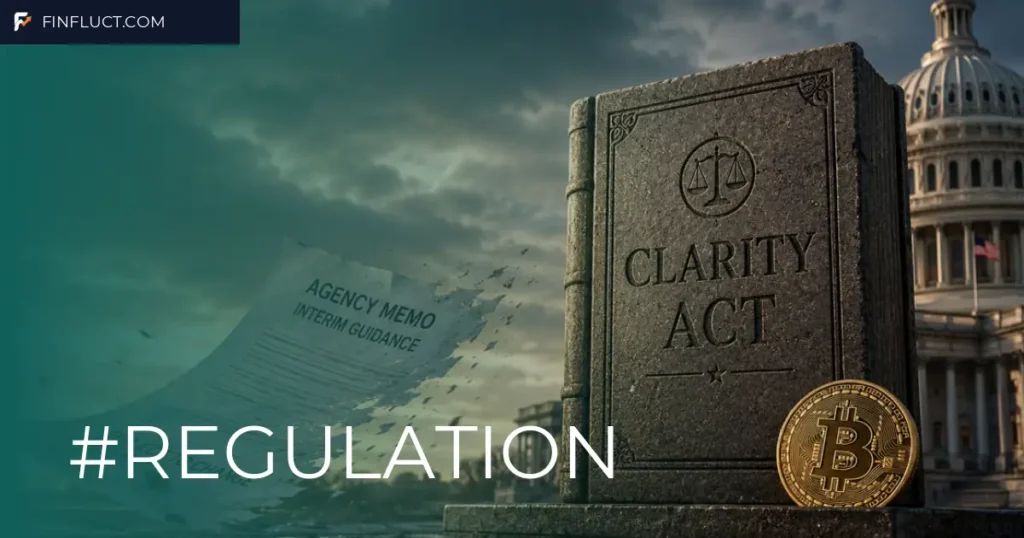
If leadership fails to bring the bill to the floor before the late June recess, the July 4 signing target will become logistically impossible. Without a statutory foundation, the current pro-crypto regulatory environment will remain a temporary administrative posture that a future SEC chair could reverse with a single memo.
Frequently Asked Questions
What is the CLARITY Act?
The CLARITY Act is a major US legislative proposal designed to establish a comprehensive federal regulatory framework for digital assets, dividing oversight between the SEC and the CFTC.
Why is this bill significant for the crypto industry?
If passed, it would represent the first broad federal market-structure law for digital assets in US history, providing a permanent legal foundation that cannot be overturned by executive or regulatory changes alone.
What are the main obstacles to the bill passing?
The primary hurdles include securing the necessary 60 votes in the Senate, resolving disputes over anti-money-laundering (AML) rules, and addressing concerns from traditional banking groups regarding stablecoin reward programs.