Kenya Tightens Virtual Asset Rules: No New Taxes, But Heavy Compliance Ahead
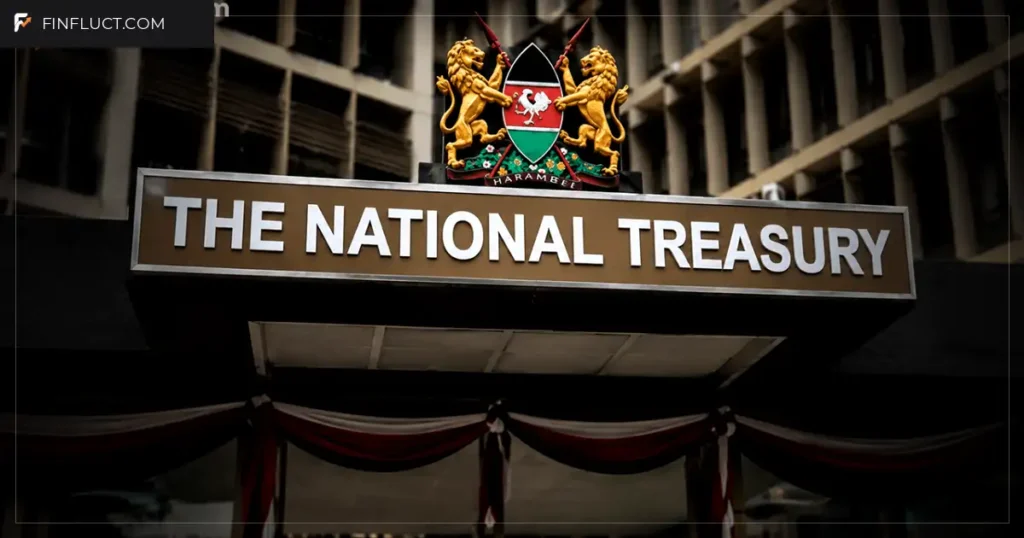
Kenyan Treasury Cabinet Secretary John Mbadi has dismissed widespread rumors claiming that the upcoming Kenya Finance Bill 2026 introduces fresh tax levies on cryptocurrency transactions. Seeking to calm public anxiety, Mbadi argued that the adjustments are designed to resolve regulatory omissions rather than extract more capital from retail users.
The Core Focus: Instead of raising tax rates, the government is introducing strict reporting and record-keeping mandates for Virtual Asset Service Providers (VASPs) to align them with traditional financial institutions.
Addressing the public, John Mbadi stated:
“The rapid growth of digital and virtual asset transactions has created a gap within the existing legal framework due to the absence of clear reporting obligations. The proposal seeks to apply reporting and record-keeping principles that are already common within traditional financial activities.”
KPMG Analysis: Operational Friction for Crypto Platforms
While direct retail tax rates remain unchanged, an independent technical analysis by KPMG suggests the operational landscape for digital asset entities will face substantial friction. The bill introduces sweeping statutory disclosure obligations under the Tax Procedures Act.
Crypto exchanges, custodial wallets, and token marketplaces operating in Kenya will be legally mandated to compile and submit comprehensive annual activity reports directly to the Kenya Revenue Authority (KRA).
Key Regulatory Shifts:
- Mandatory annual reporting for all registered VASPs.
- Cross-border data sharing agreements enabling KRA to exchange records with foreign tax jurisdictions.
- Increased administrative overhead for fintech platforms implementing transaction-tracking tools.
Privacy Concerns and Mobile Money Safeguards
Amid broader national concerns over inflation and digital surveillance, Mbadi addressed fears regarding data privacy. He clarified that the Kenya Finance Bill 2026 does not grant the KRA or law enforcement agencies unchecked access to private mobile money logs, such as M-Pesa, or personal smartphone files.
The Treasury confirmed that existing data protection and privacy laws remain fully in force, protecting citizens from unauthorized financial snooping.
Frequently Asked Questions (FAQ)
Does the Kenya Finance Bill 2026 introduce new taxes on crypto trading?
No. Treasury officials have confirmed that the bill does not impose new tax rates on crypto transactions. It focuses strictly on regulatory oversight and reporting requirements.
Will the KRA have direct access to my M-Pesa account?
No. The Kenyan Treasury has explicitly stated that existing data protection laws remain active, meaning the KRA cannot access private M-Pesa statements without proper legal warrants.
What does this mean for crypto exchanges in Kenya?
Exchanges and wallet providers will face higher compliance costs as they must now implement systems to track transactions and submit annual reports to the government.