AI Unearths Critical Zcash Exploit: A New Era for Crypto Security
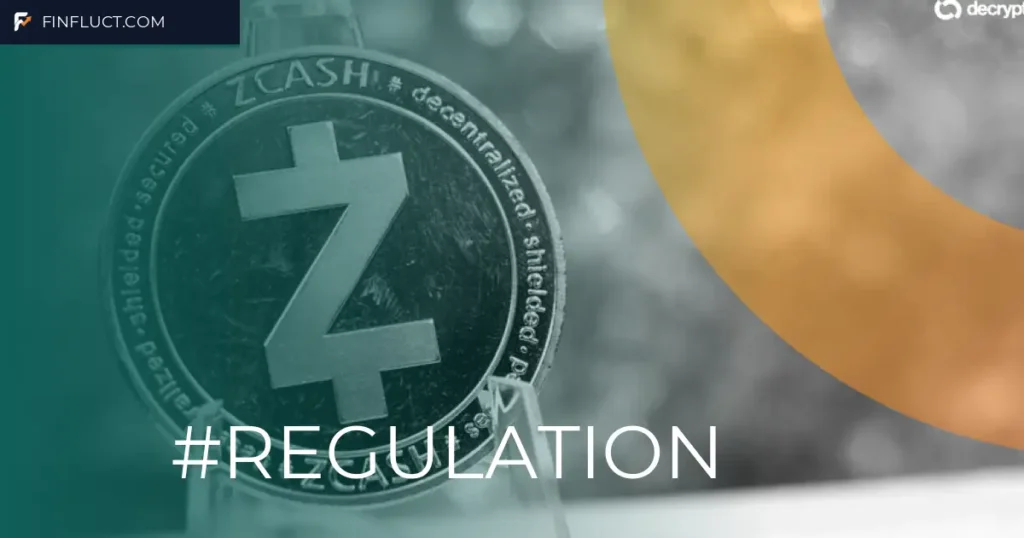
A significant vulnerability within the Zcash protocol’s Orchard privacy pool, allowing for the creation of an unlimited supply of counterfeit ZEC, has been identified. This discovery, made by security researcher Taylor Hornby using Anthropic’s Claude Opus 4.8, underscores the escalating role of artificial intelligence in uncovering deep-seated flaws within complex blockchain systems.
The Four-Year Blind Spot: Unlimited ZEC Minting
On May 29, Taylor Hornby, engaged by the Zcash team for security auditing, pinpointed a critical flaw in the Orchard privacy pool. This sophisticated layer, operational since May 2022, leverages zero-knowledge proofs to facilitate private transactions without revealing sender, recipient, or amount. The bug essentially bypassed a crucial validation check, allowing an attacker to inject false inputs that the system would mistakenly approve, thereby minting ZEC from thin air, indistinguishable from legitimate coins.
“This Zcash vulnerability is a stark reminder that even the most rigorously designed cryptographic protocols can harbor hidden dangers,” states Dr. Anya Sharma, a blockchain security analyst. “The fact that it lay dormant for four years, evading expert human review, highlights the sheer complexity and the need for novel approaches to auditing.”
Hornby, with the assistance of Claude Opus 4.8, not only identified the flaw but also developed a working exploit in a local environment, demonstrating its potential to generate undetectable, unlimited counterfeit ZEC. He promptly disclosed his findings to ZODL, Zcash’s coordinating development body, preventing any mainnet exploitation. An emergency fix was deployed by June 1, mitigating the immediate threat.
The Unknowable Extent of Exploitation
The very privacy features that make Orchard valuable also obscure the past. Due to the nature of zero-knowledge proofs and shielded transactions, it’s impossible to cryptographically ascertain whether this vulnerability was exploited between May 2022 and June 2026. The Zcash team suggests prior exploitation is unlikely, citing the bug’s subtlety, the advanced AI tools required for its discovery, and the narrow window of opportunity. However, they explicitly advise users not to rely solely on this assessment.
- Vulnerability Discovered: May 29
- Fix Deployed: June 1
- Exploitable Period: 4 years
- Tool Used: Anthropic Claude Opus 4.8
Charting a Path Forward: Network Upgrades and Enhanced Auditing
Shielded Labs is proposing a significant Network Upgrade to address the lingering uncertainty. This upgrade would introduce a new shielded pool and implement “turnstile accounting” for all coins originating from the Orchard pool. This mechanism would essentially force all existing Orchard ZEC through a verifiable checkpoint, designed to expose any previously counterfeited supply. This initiative requires broad community governance support and adherence to the standard Zcash network upgrade process. A detailed proposal is anticipated soon.
Beyond this immediate solution, Shielded Labs is initiating a project to mathematically verify the entire Orchard circuit from the ground up, reinforcing its commitment to robust blockchain security. They are also actively recruiting a Head of Security and a Cryptographer to bolster their internal expertise.
AI’s Double-Edged Sword: The Future of Protocol Security
This incident serves as a powerful demonstration of Anthropic’s Claude Opus 4.8’s capabilities in the hands of a skilled security researcher. The model, publicly released on May 28, enabled Hornby to uncover a four-year-old critical bug within 24 hours – a flaw that had previously withstood multiple rounds of expert human scrutiny. This event sends a clear message across the entire crypto ecosystem.
“The Zcash exploit is a wake-up call for every blockchain project,” observes Michael Chen, a cybersecurity expert specializing in AI applications. “As AI models grow more sophisticated, they become indispensable tools for both whitehats and blackhats. Protocols must proactively engage in AI-assisted auditing to stay ahead, or risk facing devastating exploits.”
With advanced AI models like Mythos on the horizon, the pressure on crypto protocols to rigorously audit their systems is intensifying. The clock is ticking, and proactive security measures, including engaging whitehat hackers and leveraging cutting-edge AI, are no longer optional but essential for the long-term integrity of the broader crypto space.
Frequently Asked Questions (FAQ)
- What was the Zcash vulnerability?
A critical bug in the Orchard privacy pool allowed an attacker to mint an unlimited amount of counterfeit ZEC, indistinguishable from legitimate coins, by bypassing a transaction validation check. - Who discovered the exploit?
Security researcher Taylor Hornby, hired by the Zcash team, discovered it using Anthropic’s Claude Opus 4.8. - Was the exploit used on the mainnet?
No, Taylor Hornby disclosed it to ZODL before any mainnet exploitation occurred. An emergency fix was deployed swiftly. - How long was the vulnerability active?
The bug was exploitable for approximately four years, from May 2022 until the fix in June 2026. - Can we know if ZEC was counterfeited in the past?
Due to the privacy features of the Orchard pool, it is cryptographically impossible to determine if the vulnerability was exploited prior to its discovery. - What is Zcash doing to address past uncertainty?
Shielded Labs is proposing a Network Upgrade with “turnstile accounting” to verify all existing Orchard coins and expose any potential counterfeited supply. They are also conducting a full mathematical verification of the Orchard circuit. - What does this mean for crypto security?
It highlights the immense power of advanced AI models in discovering complex vulnerabilities and emphasizes the urgent need for all crypto protocols to adopt proactive, AI-assisted security auditing.