Anatomy of the Attack: How a Single Node Reconstructed the Private Key
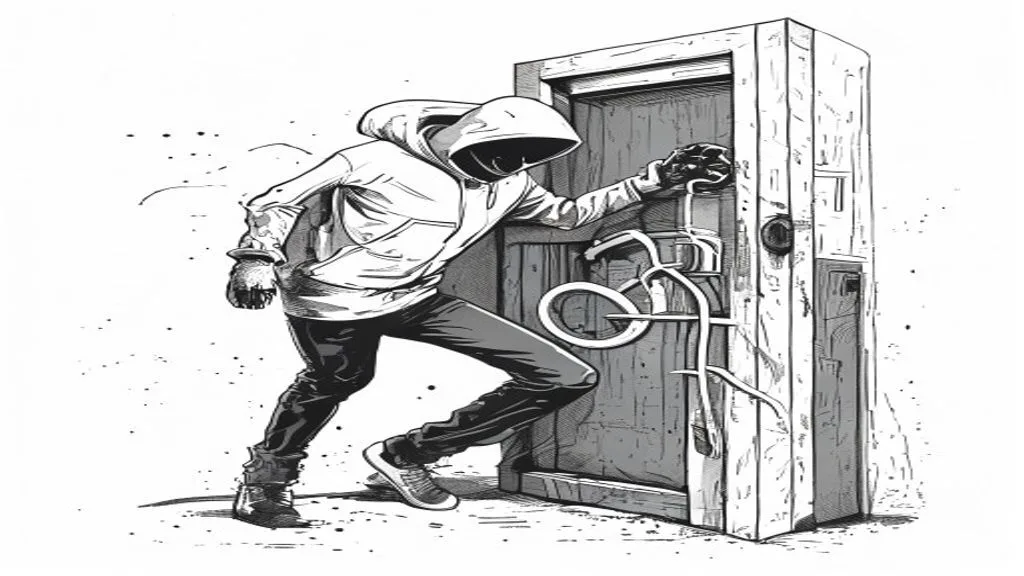
Cross-chain liquidity protocol THORChain recently suffered a major security breach, resulting in the loss of approximately $10.7 million from one of its primary vaults. The root cause was traced back to a critical vulnerability in the GG20 Threshold Signature Scheme (TSS). A malicious node operator managed to exploit this cryptographic flaw to bypass distributed security controls and reconstruct a full private key.
Key Exploit Metrics
- Total Stolen Funds: $10,700,000
- 7-Day RUNE Price Impact: -15.5%
- 24-Hour Post-Panic Recovery: +4%
- April Total DeFi Exploit Losses: $634 million
Under normal operating conditions, the GG20 threshold signature scheme secures THORChain vaults by splitting key control across multiple independent node operators. This setup ensures that no single entity ever holds the entire private key. However, the attacker utilized a technique described as “progressive key material leakage,” gradually gathering enough cryptographic data from the target vault to piece the full key together.
Understanding GG20 TSS
GG20 is a widely adopted cryptographic protocol designed for generating distributed threshold signatures. It allows a group of participants to sign transactions collectively without revealing their individual secret shares. Its primary vulnerability often stems from brittle assumptions regarding randomness generation and local signing process isolation.
Automated Safeguards vs. Manual Coordination
While the cryptographic breach was severe, a total collapse was averted due to THORChain‘s automated defense mechanisms. The protocol’s built-in solvency checks triggered within minutes of the anomalous outbound activity, halting all signing and trading operations across multiple chains without requiring human intervention.
Exploit Mitigation Timeline
- Detection: On-chain sleuth ZachXBT flags a suspicious $10M outflow from a THORChain vault.
- Automated Halt: Solvency checks immediately freeze outgoing transactions and cross-chain swaps.
- Human Intervention: Node operators coordinate via Discord to initiate a full network halt within two hours.
- Remediation: Developers deploy an emergency patch to fix the GG20 vulnerability.
“The fact that THORChain’s automated solvency checks reacted instantly is what saved the protocol from being completely drained. It is a textbook example of why automated circuit breakers are essential in DeFi architecture,” noted a prominent smart contract security researcher.
The ADR-028 Recovery Plan: Who Bears the Cost?
In the wake of the exploit, THORChain published community governance proposal ADR-028 to outline the recovery path. The proposal aims to absorb the losses without resorting to minting or selling new RUNE tokens, which would dilute holders and trigger market panic.
Under the proposed framework, THORChain will first absorb the losses using protocol-owned liquidity. The remaining deficit will be distributed among synthetic asset holders (synth holders). Over time, a portion of the protocol’s ongoing revenue will be redirected to replenish the depleted liquidity reserves.
ADR-028 Pros & Cons
- Pro: Avoids inflationary pressure on the RUNE token.
- Pro: Enables a swift restart of trading and signing operations.
- Con: Temporarily depletes the protocol’s treasury and liquidity.
- Con: Imposes haircuts on synthetic asset holders.
Industry Backlash: Is GG20 Beyond Saving?
The decision to patch and retain the existing GG20 TSS framework rather than migrating to an alternative standard has sparked intense debate among blockchain cryptographers.
“The nature of this exploit suggests a fundamental flaw in randomness generation or local signing isolation within the GG20 stack. While the automated safeguards worked beautifully, the underlying cryptographic foundation remains highly sensitive,” commented pseudonymous analyst Bird.
Other market observers were less forgiving. Crypto investor JP argued on social media that GG20 relies on too many brittle assumptions, calling it a “black box” that will require endless patching. Despite the criticism, the market has shown signs of stabilization: after a weekly drop of 15.5%, RUNE recovered +4% as node operators cast their votes on the recovery proposal.