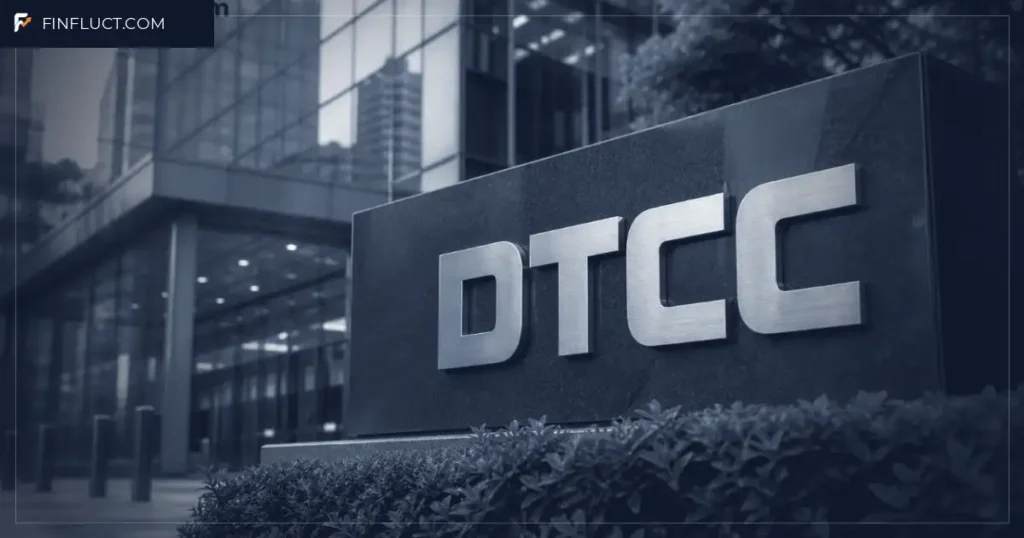
The landscape of traditional finance is undergoing a structural shift as the world’s largest post-trade infrastructure provider embraces public blockchain technology. The Depository Trust & Clearing Corporation (DTCC) has announced a strategic collaboration with the Stellar Development Foundation (SDF) to enable the tokenization of assets custodied by the Depository Trust Company (DTC) on the Stellar network. The initiative is slated for a commercial launch in the first half of 2027.
Key Highlights of the Partnership
- Target Launch: First half of 2027 (H1 2027).
- Blockchain Network: Stellar (XLM).
- Regulatory Foundation: Backed by an SEC No-Action Letter issued in December 2025.
- Eligible Assets: Russell 1000 constituents, major index ETFs, and U.S. Treasury instruments.
Bridging Traditional Custody with Public Ledgers
This integration marks a critical transition from isolated proof-of-concept trials to production-grade financial infrastructure. By leveraging Stellar’s decentralized network, DTCC aims to bring real-world assets (RWAs) onto regulated digital rails without compromising investor protections or regulatory compliance.
The foundation for this move was established in late 2025, when the U.S. Securities and Exchange Commission (SEC) issued a landmark No-Action Letter. This regulatory greenlight permitted the DTC to build and operate a dedicated service for tokenizing real-world assets held in its custody, ensuring that digital representations maintain the exact same legal rights and entitlements as their physical counterparts.
“This collaboration represents another step forward in DTCC’s efforts to build an open, interoperable digital infrastructure that bridges traditional and digital markets. Tokenization could improve transaction and capital efficiency, increase transparency, and support collateral mobility.”
— Frank La Salla, President and CEO of DTCC
Why Stellar? Compliance and Speed at Scale
Stellar has long positioned itself as a blockchain optimized for asset issuance, payments, and cross-border remittances. Its architecture is built with compliance-first features, making it an attractive choice for institutional players looking to scale digital asset operations.
Expected Operational Benefits
- Instant Settlement: Reducing the standard settlement cycle to near-instantaneous speeds.
- Collateral Mobility: Enabling seamless transfer of tokenized assets across different platforms.
- Extended Hours: Moving beyond traditional 9-to-5 market hours to 24/7 liquidity.
- Lower Risk: Minimizing operational friction and counterparty risks through automated smart contracts.
According to Denelle Dixon, CEO and Executive Director of the Stellar Development Foundation, the partnership validates the utility of public networks for institutional finance.
“Stellar’s proven compliance-minded architecture, open infrastructure, and risk management capabilities are aligned with market demands and expectations. We have always believed that blockchain’s utility for finance is to be the rail that institutional-grade markets can depend on.”
— Denelle Dixon, CEO of SDF
Phased Rollout and Asset Selection
Before the official 2027 launch, both entities will conduct rigorous testing and feasibility studies across high-liquidity asset classes. Initial focus areas include highly liquid equities within the Russell 1000 index, exchange-traded funds (ETFs) tracking major market benchmarks, and sovereign debt instruments such as U.S. Treasury bills, notes, and bonds.
This multi-chain strategy aligns with DTCC’s broader goal of remaining blockchain-agnostic while driving industry-wide standards. By integrating with public networks like Stellar and exploring interoperability solutions, the clearing giant is ensuring that the future of capital markets is both connected and secure.
Frequently Asked Questions
What is the DTCC and Stellar partnership about?
The partnership aims to allow traditional securities custodied by the DTC to be tokenized and traded on the Stellar blockchain network by the first half of 2027.
Which assets are being targeted for tokenization?
Initial testing will focus on highly liquid assets, including Russell 1000 equities, major index-tracking ETFs, and U.S. Treasury bills and bonds.
How does regulatory compliance factor into this integration?
The initiative is supported by an SEC No-Action Letter from December 2025, which allows DTC to operate a tokenization service for real-world assets while maintaining traditional investor protections.