A New Enforcement Frontier Under Trump
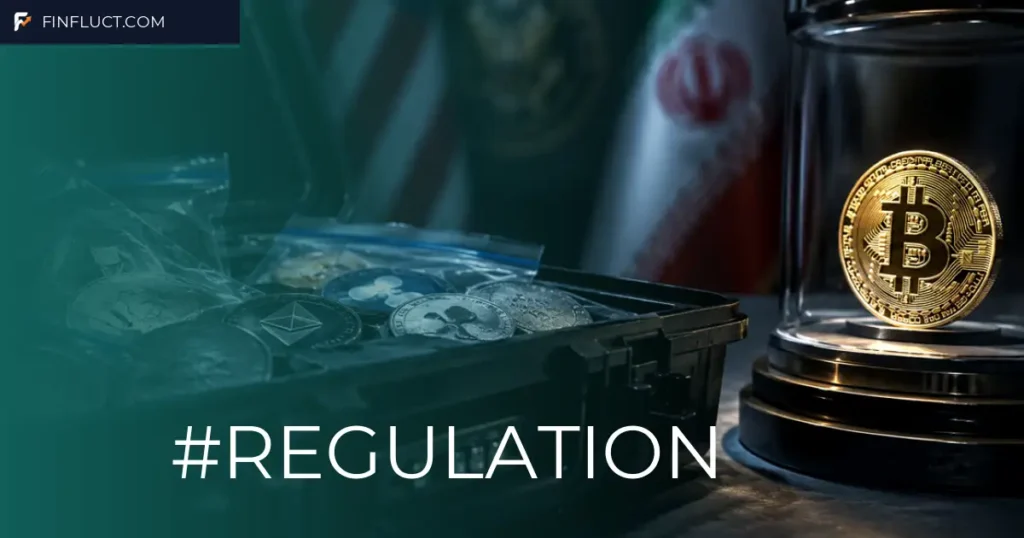
Treasury Secretary Scott Bessent turned heads at the Reagan National Economic Forum by announcing a massive $1 billion Iran crypto seizure. While Bessent claimed authorities “just outright grabbed the wallets,” the legal reality of converting these assets into President Donald Trump’s Strategic Bitcoin Reserve is highly complex.
The lack of public disclosure regarding the specific asset types and wallet addresses is precisely what determines whether any of this capital ever reaches the newly established sovereign reserve. The transition from a national security freeze to state ownership involves rigorous legal hurdles.
“There is a vast legal chasm between freezing an adversary’s digital wallet and successfully completing the judicial forfeiture process required to deposit those assets into a sovereign reserve,” noted a Washington-based digital asset policy expert.
The Two-Bucket Framework: Reserve vs. Stockpile
Trump’s executive order establishes two distinct destinations for government-held digital assets:
- Strategic Bitcoin Reserve: Holds only BTC that has cleared final criminal or civil forfeiture. These assets are subject to a strict no-sale mandate.
- US Digital Asset Stockpile: A separate container managed by the Treasury for non-BTC assets, such as stablecoins and utility tokens, after final forfeiture.
The Seizure in Numbers
At a Bitcoin price of roughly $73,000, a fully BTC-denominated $1 billion seizure would equal approximately 13,632 BTC. This represents about 6.8% of the estimated 200,000 BTC already held by the US government under the reserve framework.
The Stablecoin Dilemma and Legal Hurdles
Currently, the only publicly documented portion of the claim is $344 million in USDT, which Tether frozen at specific addresses following coordination with US authorities. These wallets were linked by TRM Labs to the Central Bank of Iran and sanctioned groups.
The remaining $656 million lacks transparent accounting. If the bulk of these assets consists of stablecoins rather than Bitcoin, they will head to the Digital Asset Stockpile rather than the Strategic Bitcoin Reserve. Furthermore, under OFAC rules, blocked or frozen property does not immediately equate to government ownership; the US must first secure a final forfeiture order through the courts, surviving potential victim restitution claims.
Frequently Asked Questions (FAQ)
Will the seized Iranian crypto enter the Strategic Bitcoin Reserve?
Only if the assets are denominated in Bitcoin (BTC), clear the final judicial forfeiture process, and are not subject to victim restitution or law-enforcement carve-outs.
What happens to the $344 million in frozen USDT?
Since USDT is a stablecoin, it cannot enter the Bitcoin Reserve. If finally forfeited, it will be placed in the US Digital Asset Stockpile under the stewardship of the Treasury Secretary.
How large is Iran’s overall crypto footprint?
According to Chainalysis and TRM Labs, Iran’s crypto ecosystem processed between $7.78 billion and $10 billion in transaction volume in 2025, with domestic exchanges like Nobitex handling the majority of local flows.