For years, Bitcoin ATMs stood as the most tangible, real-world gateway to the digital asset economy. They bypassed the clunky verification processes of early online exchanges, allowing anyone to scan a QR code, feed cash into a machine, and receive BTC in minutes. However, that era of frictionless, high-fee cash transactions is rapidly coming to an end.
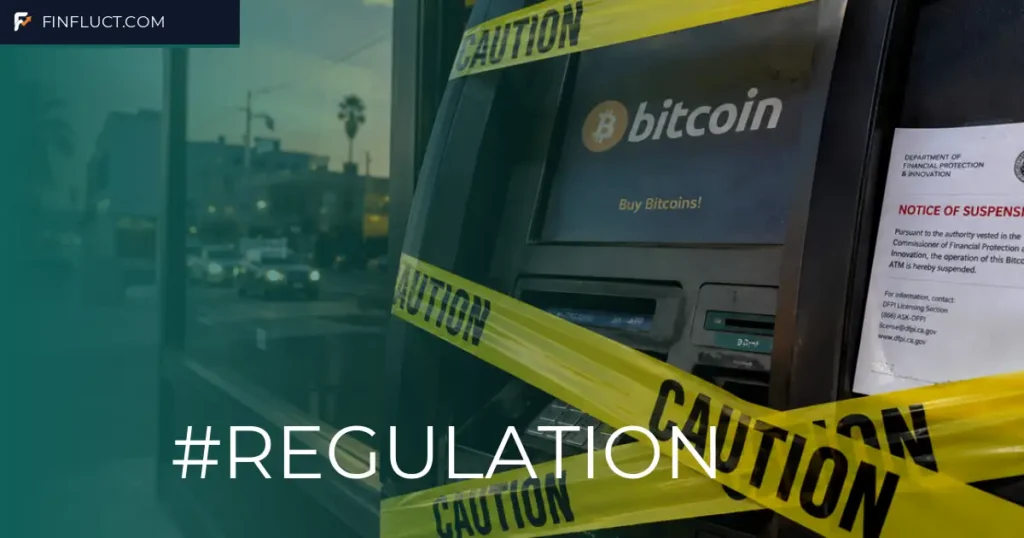
On May 18, 2026, Bitcoin Depot, once North America’s largest crypto kiosk operator, officially filed for Chapter 11 bankruptcy in the US Bankruptcy Court for the Southern District of Texas, taking its entire network of approximately 9,700 machines offline.
The Financial Collapse of a Cash-First Giant
The bankruptcy filing follows a catastrophic financial downturn. In the first quarter of 2026, the company’s revenue plummeted by 49.2% year-over-year, representing an $80.7 million drop. Gross profits collapsed by 85.5%, falling from $31.2 million to just $4.5 million, resulting in a net loss of $9.5 million.
Bitcoin Depot Q1 2026 Financial Meltdown
- Revenue Decline: -49.2% year-over-year
- Gross Profit Collapse: -85.5% (down to $4.5M)
- Net Loss: $9.5 million (down from a $12.2M profit)
- Machines Offline: Approximately 9,700 kiosks
CEO Alex Holmes characterized the traditional cash-to-crypto kiosk business model as “unsustainable” in the face of mounting operational pressures and shifting market dynamics.
The Compliance Trap: Scams, Bans, and Fee Caps
The primary catalyst for this sudden downfall is a coordinated regulatory onslaught. Bitcoin ATMs, which charged transaction fees ranging from 10% to 30%, became a prime target for illicit activities and elder fraud due to the irreversible nature of blockchain transactions.
“The structural vulnerability of the cash kiosk model was its absolute irreversibility. Unlike traditional banking, where a fraud desk can reverse a transaction, once cash is converted to Bitcoin and sent to a scammer’s wallet, those funds are gone forever. This vulnerability turned convenience into a massive consumer protection liability.”
The scale of the problem is highlighted by FBI data, which logged 13,460 crypto kiosk fraud complaints in 2025 alone, representing $389 million in reported losses. Senior citizens aged 60 and older bore the brunt of these scams, accounting for $257.5 million of the total losses.
State-Level Crackdowns and Legal Judgments
State regulators across the US moved swiftly to dismantle the industry:
- California: Implemented the Digital Financial Assets Law, capping daily transactions at $1,000 and limiting fees to the greater of $5 or 15%.
- Indiana & Tennessee: Passed outright bans on crypto ATMs, forcing hundreds of machines out of service.
- State Lawsuits: Iowa’s Attorney General sued major operators, alleging that over 98% of funds sent through these kiosks in the state were tied to scams. Massachusetts and Maine followed with similar enforcement actions and multi-million dollar settlements.
The Rise of Regulated Alternatives
As the physical kiosk network crumbles, retail access to digital assets has migrated to highly regulated, institutional-grade infrastructure. The approval of spot Bitcoin ETFs, the integration of crypto features into mainstream fintech apps, and the expansion of stablecoins have made the high-fee convenience of physical ATMs obsolete.
With the average investor now able to acquire exposure to digital assets securely through standard brokerage accounts within minutes, the need for cash-based physical kiosks has evaporated. The collapse of the ATM network marks a permanent transition toward a fully regulated, institutionalized crypto market.
Frequently Asked Questions
Why did Bitcoin Depot file for bankruptcy?
Bitcoin Depot filed for Chapter 11 bankruptcy due to a combination of a 49.2% drop in Q1 2026 revenue, mounting legal judgments, state-level transaction caps, and outright bans on crypto ATMs across multiple US states.
What makes Bitcoin ATMs vulnerable to fraud?
Unlike traditional bank transfers, transactions made via Bitcoin ATMs are settled directly on the blockchain and are completely irreversible. This made them a popular tool for social engineering scams targeting vulnerable demographics.
How are regulators responding to crypto ATM risks?
States like Indiana and Tennessee have banned crypto ATMs entirely, while California has capped daily transactions at $1,000 and restricted transaction fees. Multiple state attorneys general have also launched lawsuits against operators for consumer protection violations.