US Treasury Intensifies Pressure: $1 Billion in Iran-Linked Crypto Seized
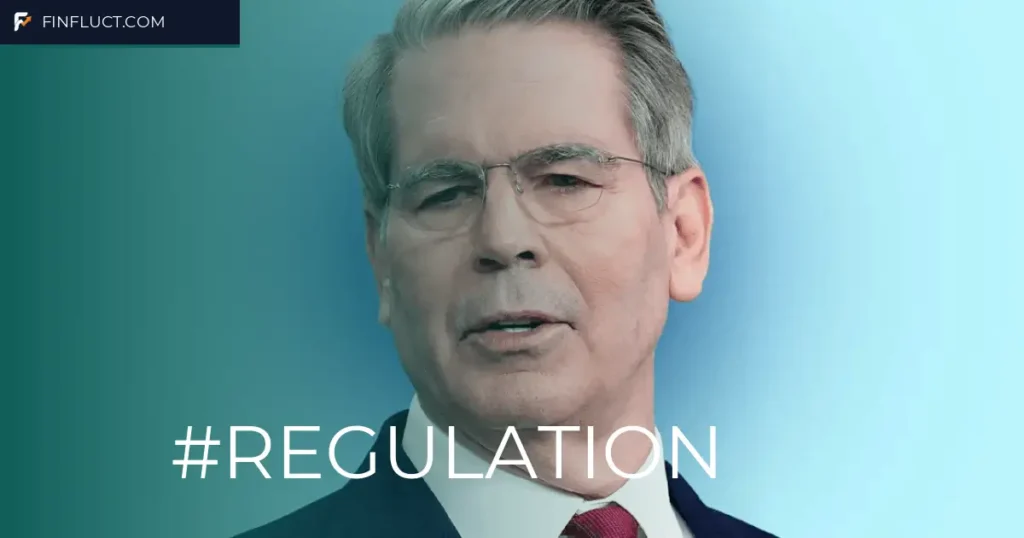
The U.S. Treasury Department has escalated its financial campaign against Iran, announcing the seizure of approximately $1 billion in cryptocurrency assets tied to the nation. This significant disclosure came from Treasury Secretary Scott Bessent on May 29, 2026, during the Reagan National Economic Forum in Simi Valley, California.
Operation Economic Fury: A Coordinated Financial Offensive
Secretary Bessent, speaking with Fox Business host Larry Kudlow, detailed how this $1 billion figure represents a cumulative total achieved through Operation Economic Fury. This Treasury-led initiative is designed to disrupt Iran’s revenue streams, choke off weapons funding, and dismantle its sanctions evasion networks. The campaign, which began around March 2025 under President Trump’s direction, extends beyond digital assets to include freezing bank accounts, targeting procurement networks, and coordinating international efforts to seize properties linked to Iranian elites.
“I believe that we have seized about a billion dollars of their crypto,” Bessent stated. “Just outright grabbed the wallets. Some of them may be typing in right now and might not realize that their wallet has been grabbed.”
This aggressive stance highlights a strategic shift, leveraging blockchain traceability to enforce international sanctions. The total has grown rapidly, with roughly $500 million in assets already frozen by late April 2026, leading up to Bessent’s latest confirmation.
Targeting Stablecoins: The Tether Freeze
A pivotal moment in this enforcement drive occurred on April 24, 2026, when stablecoin issuer Tether froze $344 million in USDT across two Tron blockchain addresses. These funds, amounting to $213 million and $131 million respectively, were identified through transaction patterns linked to Iran’s Islamic Revolutionary Guard Corps (IRGC) and the Central Bank of Iran. Blockchain analytics firm Chainalysis played a crucial role in pinpointing these addresses, aligning with updated designations from the Treasury’s Office of Foreign Assets Control (OFAC) published the same day.
Before this intensified crackdown, reports suggested Iran was routing $400 million to $500 million monthly through crypto, primarily USDT, to finance oil sales and IRGC operations. OFAC has since sanctioned over 1,000 Iran-linked entities and associated digital wallet addresses, underscoring the breadth of the financial pressure campaign.
Broader Implications for the Crypto Industry
The Treasury’s actions send a clear message to the broader cryptocurrency ecosystem. While Bitcoin (BTC) wallets offer a degree of immutability, making them harder to freeze compared to managed assets like USDT, the campaign signals increased compliance demands for stablecoin issuers, exchanges, and blockchain infrastructure providers operating within geopolitical enforcement contexts.
“This is money that’s stolen from the Iranian people,” Bessent remarked, highlighting the ethical dimension of targeting assets, including European real estate, alongside digital wallets.
The traceability inherent in blockchain technology, often a concern for privacy advocates, has proven to be a powerful asset for enforcement agencies. However, this effectiveness is largely limited to controlled crypto assets that can be frozen via smart contracts or centralized issuer actions.
Iran’s attempts to explore new crypto revenue streams, such as collecting Strait of Hormuz tolls in Bitcoin or developing a Bitcoin-based maritime insurance product called Hormuz Safe with ties to the Revolutionary Guard, now face unprecedented scrutiny as U.S. blockchain enforcement tightens.
Iran’s Economic Strain and Future Outlook
Secretary Bessent painted a grim picture of Iran’s current financial state, citing hyperinflation exceeding 200%, unpaid military and police personnel, food voucher systems, internet shutdowns, and a rapidly depreciating rial. These economic woes run parallel to recent military operations, though Bessent emphasized that economic pressure remains unabated.
“They are at the end of their tether now financially,” Bessent concluded, indicating the severe impact of the ongoing sanctions and enforcement actions.
The U.S. Department of the Treasury also proposed new rules on April 8, 2026, requiring permitted payment stablecoin issuers to comply with stringent regulations, further solidifying the regulatory landscape for digital assets. While seized assets are held pending potential future forfeitures, including claims by terrorism victims, Bessent stressed that sanctions relief remains conditional.
“We’ll see,” he told Kudlow, regarding the ultimate fate of these assets and any potential shift in policy.
Key Figures in the Iran Crypto Seizure
- $1 Billion: Total Iranian-linked crypto assets seized by the U.S. Treasury.
- $344 Million: USDT frozen by Tether across two Tron addresses.
- 1,000+: Iran-linked entities and wallet addresses sanctioned by OFAC.
- 200%+: Estimated hyperinflation rate in Iran.
Frequently Asked Questions (FAQ)
What is Operation Economic Fury?
Operation Economic Fury is a U.S. Treasury-led financial pressure campaign launched in March 2025, targeting Iran’s revenue streams, weapons funding, and sanctions evasion networks. It involves freezing bank accounts, seizing properties, and now, significantly, confiscating cryptocurrency assets.
How were the crypto assets identified and seized?
Blockchain analytics firms like Chainalysis assisted in identifying suspicious wallet addresses linked to Iranian entities, including the Islamic Revolutionary Guard Corps and the Central Bank of Iran. For stablecoins like USDT, issuers (e.g., Tether) can freeze assets on specific addresses in compliance with OFAC sanctions.
Why is USDT more susceptible to freezing than Bitcoin?
USDT, as a stablecoin, is typically issued by a centralized entity (Tether) that can control the assets on its network, often through smart contracts. This allows them to freeze funds on specific addresses in response to legal mandates. Bitcoin, being a decentralized cryptocurrency, does not have a central issuer with the power to unilaterally freeze funds in a user’s wallet.
What happens to the seized assets?
The seized assets are held pending potential future forfeitures. These funds could eventually be used to compensate victims of terrorism or for other legal purposes, depending on ongoing legal proceedings. Sanctions relief for Iran remains conditional on various factors.