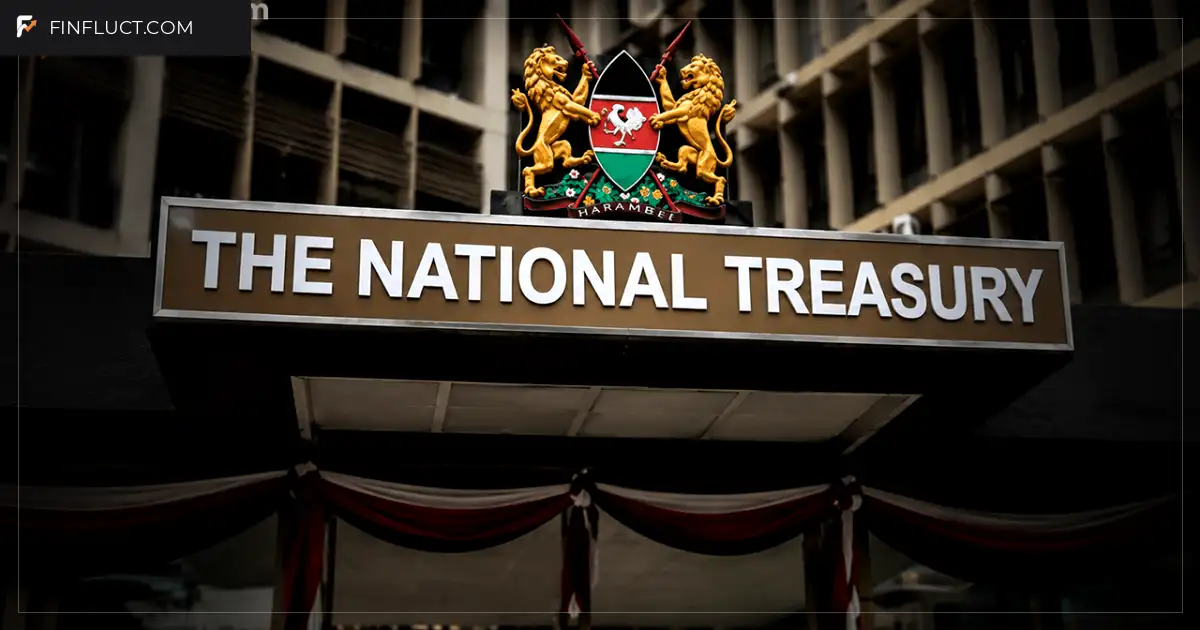
Speaking at the Reagan National Economic Forum, US Treasury Secretary Scott Bessent revealed the massive scale of the operation. The newly disclosed figure represents a 100% increase from the $500 million in confiscated digital assets reported in late April 2025.
“I believe that we have seized about a billion dollars of their crypto. Just outright grabbed the wallets. Some of them may be typing in right now and not have realized that their wallet had been grabbed.”
Operation Economic Fury: Cutting the Financial Lifeline
The aggressive asset seizures are part of a coordinated inter-agency campaign dubbed Operation Economic Fury. Launched in March 2025, the initiative targets Iranian state revenues through a multi-pronged approach: freezing traditional bank accounts, confiscating physical properties in collaboration with European allies, and executing sophisticated blockchain-level interventions.
Impact of Operation Economic Fury on Iran:
- Unpaid Military: Between 40% and 50% of Iranian troops are currently not receiving salaries.
- Hyperinflation: Domestic inflation in Iran is estimated to have surpassed 200%.
- Siphoned Funds Blocked: The US disrupted a pipeline that siphoned $400 million to $500 million monthly, which was distributed among roughly 80 regime leaders.
According to Bessent, these measures have pushed the Iranian administration to its absolute financial limits. “They are at the end of their Tether now financially,” he remarked, utilizing a play on words referencing the prominent stablecoin USDT.
Sanctions and Blockchain Tracking
The Treasury’s Office of Foreign Assets Control (OFAC) has played a pivotal role in identifying and blacklisting addresses associated with sanctioned entities. While traditional financial blockades often take months to materialize, the speed of modern blockchain analytics has allowed federal agencies to trace, isolate, and control illicit digital wallets with unprecedented efficiency.
Iran’s Bitcoin-Backed Counter-Measures
In response to the tightening economic chokehold, Tehran has reportedly explored alternative blockchain-based revenue streams. State-affiliated media recently outlined a proposal called “Hormuz Safe”—a digital marine insurance platform designed to monetize control of the strategically vital Strait of Hormuz.
Under this proposed model, maritime vessels would pay transit tariffs and insurance fees in Bitcoin (BTC), potentially generating over $10 billion in annual revenue for the sanctioned state, bypassing traditional Western banking networks entirely.
Frequently Asked Questions
How did the US seize the Iranian crypto wallets?
While specific technical details remain classified, the US Treasury and law enforcement agencies utilize advanced blockchain forensics, private key recovery operations, and cooperation with centralized exchanges to take control of sanctioned digital wallets.
What is Operation Economic Fury?
It is a comprehensive US financial pressure campaign launched in March 2025. It targets Iranian state assets globally through crypto seizures, bank account freezes, and international property confiscations.
How is Iran attempting to bypass these crypto sanctions?
Iran is considering a state-backed platform called “Hormuz Safe,” which would require ships passing through the Strait of Hormuz to pay transit tariffs and marine insurance in Bitcoin.