US Senate Faces Tight Window for Digital Asset Clarity Act
The clock is ticking for cryptocurrency regulation in the United States. Proponents of the Digital Asset Market Clarity Act are making a final, urgent push to secure passage in the Senate before a looming summer recess cuts their legislative window short.
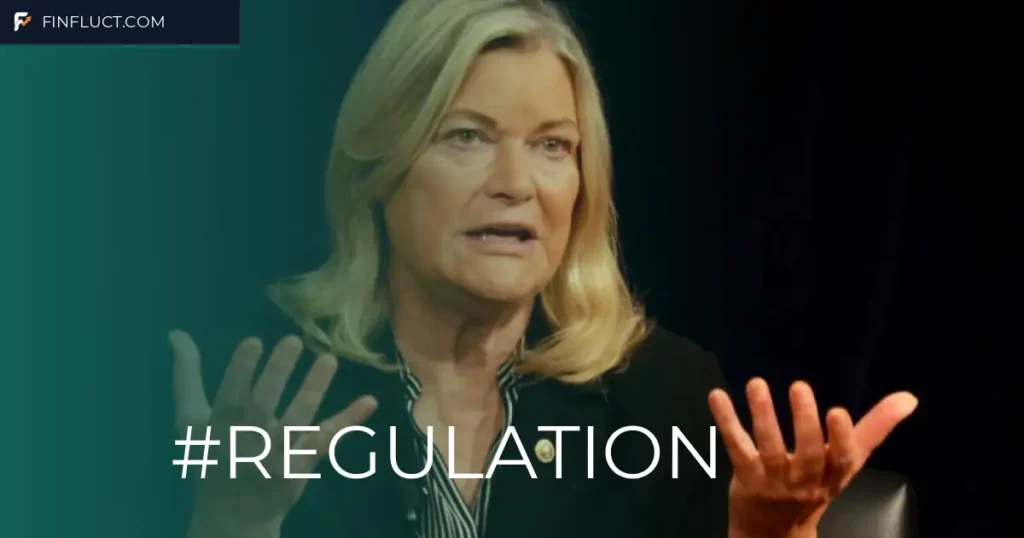
During a virtual panel hosted by the Blockchain Association, Senator Cynthia Lummis (R-Wyo.) delivered a stark warning to the industry and her congressional colleagues.
“If we don’t get it done this year, we’re probably looking at about 2030 before this bill could ever have a shot again of being considered,” Lummis stated.
With less than 8 weeks of active floor time remaining on the Senate calendar before the midterm election cycle takes full precedence, the stakes have never been higher for digital asset policy.
The Legislative Countdown
- Time Remaining: Less than 8 weeks of Senate floor time.
- Votes Needed: At least 60 votes to clear the Senate threshold.
- Next Opportunity: Potentially delayed until 2030 if missed.
Addressing the Illicit Finance Gap
A primary hurdle for the bill remains skepticism from Democratic lawmakers and law enforcement groups regarding anti-money laundering (AML) protections. Lummis argued that the current regulatory landscape is far too permissive, leaving digital asset exchanges with fewer compliance burdens than they would face under the proposed framework.
Under the current status quo, crypto exchanges operate under lower Bank Secrecy Act (BSA) and AML standards than traditional financial institutions. The Digital Asset Market Clarity Act aims to bridge this gap, bringing digital asset platforms under strict federal oversight.
Patrick Witt, the White House’s chief adviser on crypto, echoed this sentiment, urging law enforcement officials to back the bill.
“You should be the biggest cheerleaders for this bill, because this is really what is missing,” Witt remarked, emphasizing that the framework provides clear regulatory constraints for businesses currently operating in a legal gray area.
The Battle Over Law Enforcement Support
To build momentum, the Blockchain Association recently presented a letter signed by 160 former law enforcement officials advocating for the bill. However, this move drew sharp criticism from watchdog groups.
The Revolving Door Project, led by executive director Jeff Hauser, accused the crypto lobby of attempting to mislead lawmakers. Hauser pointed out that many of the signatories now hold lucrative positions within the crypto sector, arguing that their endorsements do not represent the broader law enforcement community.
The group also highlighted that active organizations, such as the National Sheriffs’ Association, have previously raised serious concerns about the bill’s potential loopholes.
DeFi and Developer Protections
To ease fears within the decentralized finance (DeFi) space, the bill’s authors have clarified that software developers will not be blanketly targeted. Lummis noted that the legislation specifically requires law enforcement to prove “specific intent” to facilitate money laundering before prosecuting anyone who publishes open-source code.
Frequently Asked Questions (FAQ)
What is the Digital Asset Market Clarity Act?
It is a bipartisan U.S. Senate bill designed to establish a comprehensive regulatory framework for digital assets, tightening AML and BSA compliance for crypto exchanges.
Why is there a rush to pass the bill now?
With the upcoming midterm elections and limited Senate floor time, lawmakers warn that failing to pass the bill this year could delay federal crypto legislation until 2030.
Why are some law enforcement groups skeptical?
Some groups worry about potential loopholes in illicit finance enforcement, while critics argue that lobbying efforts in favor of the bill are heavily backed by former officials now working in the crypto industry.