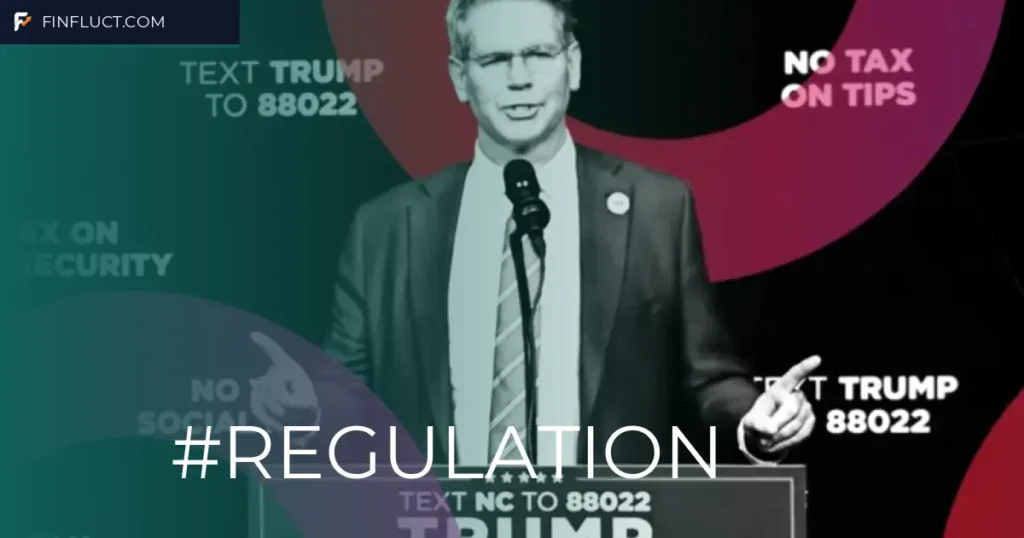
Speaking at the 2026 Reagan National Economic Forum in Simi Valley, California, US Treasury Secretary Scott Bessent revealed that federal agencies have successfully compromised and seized digital wallets belonging to hostile entities. The aggressive enforcement action comes amid heightened geopolitical tensions and ongoing efforts to choke off funding for military activities in the Middle East.
“I believe that we have seized about $1 billion of their crypto. Just outright grabbed the wallets. Some of them may be typing in right now, and they might not have realized that their wallet had been grabbed.”
— Scott Bessent, US Treasury Secretary
The Silent Crackdown on Sanctions Evasion
The Treasury’s operations highlight a growing sophistication in state-level blockchain forensics. By targeting the digital assets of the Iranian Revolutionary Guard Corps (IRGC) and affiliated groups, US authorities are actively disrupting alternative financial networks designed to bypass Western sanctions.
Key Figures in the US-Iran Crypto Conflict
- Total Seized: $1 billion in various digital assets.
- Strait of Hormuz Oil Flow: Accounts for roughly 20% of global oil supply.
- Prior Stablecoin Flows: Israel’s National Bureau for Counter Terror Financing previously flagged $1.5 billion in USDT sent to IRGC-linked wallets.
Iran has increasingly turned to digital currencies to maintain its economic lifelines. Earlier reports indicated that the country planned to bypass traditional banking corridors by demanding oil transit fees in BTC for tankers navigating the strategic Strait of Hormuz. Additionally, state-affiliated media recently promoted “Hormuz Safe,” a Bitcoin-settled maritime insurance platform designed to shield shipping operations from international oversight.
Blockchain Transparency as a Double-Edged Sword
While Iranian officials previously boasted that cryptocurrency transactions “cannot be traced or confiscated due to sanctions,” the reality of public ledgers has proven otherwise. Federal investigators have repeatedly demonstrated their ability to track flow of funds, identify key cluster addresses, and execute private key seizures through sophisticated cyber operations.
“State actors often mistake the permissionless nature of blockchain for absolute anonymity. In reality, the permanent ledger provides global law enforcement with an immutable roadmap. Once a wallet is linked to a sanctioned entity, it becomes a matter of when, not if, those funds are intercepted.”
— Financial Cyber-Intelligence Analyst
The crackdown also addresses secondary threats, including cybercriminals and scammers who have impersonated Iranian maritime authorities to demand fraudulent payments in BTC and USDT from commercial shipping companies.
FAQ
How did the US government seize the cryptocurrency?
While specific technical details remain classified, federal agencies typically utilize advanced blockchain analytics to trace transactions to custodial endpoints, exploit security vulnerabilities in wallet management, or coordinate with international exchanges to freeze and seize illicit assets.
What is the significance of the Strait of Hormuz in this context?
The Strait of Hormuz is a vital maritime choke point through which 20% of the world’s oil passes. Iran’s attempts to mandate Bitcoin payments for transit fees represent a direct effort to weaponize cryptocurrency to bypass global trade sanctions.
Were stablecoins involved in these illicit flows?
Yes. Reports indicate that stablecoins like USDT are highly favored by state-aligned groups due to their price stability, with previous investigations uncovering over $1.5 billion in stablecoin transfers linked to Iranian military entities.