Bitcoin Market Dynamics: The Oil Connection
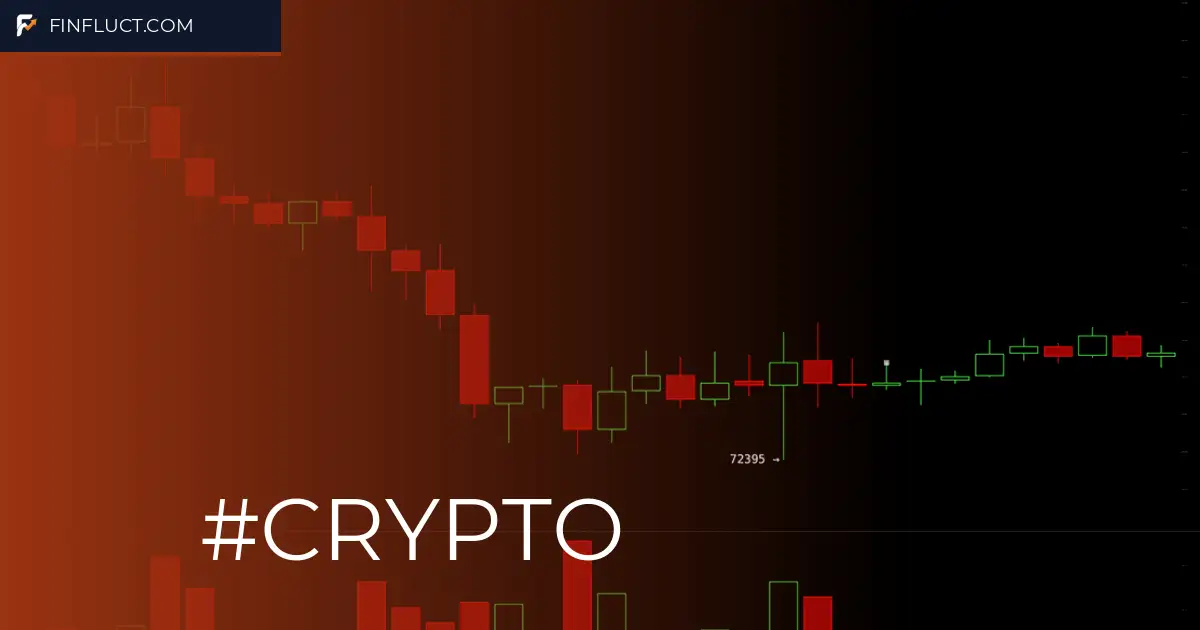
The BTC market is showing resilience, trading near $77,200 as global markets react to a sharp decline in crude oil prices. This shift in energy markets has provided a tailwind for risk-on assets, helping Bitcoin reclaim its position above the critical $76,940 50-day simple moving average.
Geopolitical Shifts and Institutional Caution
The potential reopening of the Strait of Hormuz has sent WTI crude futures down by over -5%. While this eases global supply chain fears, analysts remain cautious regarding the sustainability of the crypto rally.
«For crypto, the key signal is whether ETF outflows slow. Bitcoin can absorb some institutional selling if stablecoin liquidity remains firm and long-term holders stay patient,» says Timothy Misir, Head of Research at BRN.
- NEAR Intents volume: $19 billion
- Generated fees: $32 million
- Net exchange inflow: 18,528 BTC
Frequently Asked Questions (FAQ)
Why does the Strait of Hormuz matter for crypto?
As a major global oil chokepoint, stability in the Strait of Hormuz reduces global economic uncertainty. Lower energy costs often translate to better market sentiment, which can benefit BTC as a speculative asset.
What is the significance of the 50-day moving average?
The 50-day SMA helps traders filter out short-term noise to identify the primary market trend. Trading above this line suggests that the medium-term momentum is shifting in favor of buyers.