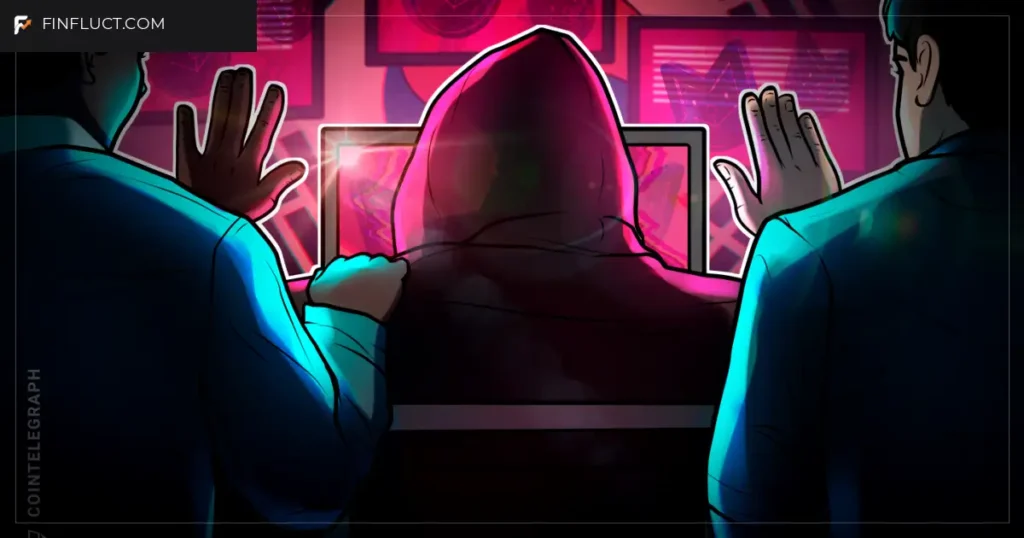
South Korean law enforcement has taken a historic step in policing decentralized finance. The Virtual Asset Crime Joint Investigation Division of the Seoul Southern District Prosecutors’ Office has officially charged a group behind the Solana-based CATFI (Catpie) memecoin. This landmark case represents the nation’s first-ever prosecution of a decentralized exchange (DEX) rug pull under its newly enacted regulatory framework.
The CATFI Scheme: How ‘Eth Father’ Manipulated the Market
At the center of the investigation is a suspect surnamed Park, who operated under the social media alias “Eth Father.” Prosecutors allege that Park promoted CATFI as an independent, third-party project while hiding his role as the primary deployer. Through coordinated social media campaigns, the group drove the token’s price up over 1,000-fold within a mere 26 hours.
Once retail FOMO reached its peak, the perpetrators dumped their holdings, pocketing approximately 400 million won ($260,000) in illicit profits. The sudden exit scam caused an estimated 900 million won ($599,000) in financial damages to at least 256 identified investors.
“This prosecution sends a clear signal to bad actors in the Web3 space. South Korea crypto regulation is no longer confined to centralized exchanges; the authorities are actively monitoring and prosecuting market manipulation within decentralized protocols as well.”
The Virtual Asset User Protection Act in Action
This legal action marks the first time South Korean authorities have applied the Virtual Asset User Protection Act to a DEX-based memecoin exit scam. The law, designed to curb market manipulation and protect retail traders, provides prosecutors with the teeth needed to pursue anonymous creators who exploit decentralized liquidity pools.
The Rise and Fall of CATFI
- Peak Market Cap (Feb 2025): $8.99 Million
- Current Market Cap: $57,000
- Value Depreciation: Over 99%
- Affected Holders: 1,512 wallets
Despite the catastrophic 99% crash, on-chain data shows that over 1,500 investors continue to hold the token, likely hoping for a recovery. The largest single wallet, “5Q54,” still controls roughly 18% of the total token supply. Meanwhile, the official X account used to promote the project has been deleted.
South Korea’s Crypto Market Cools Down
This prosecution comes at a challenging time for the domestic digital asset market. Trading volumes on South Korea’s major won-based fiat gateways have recently shrunk to just 8% of the KOSPI stock market’s daily volume. Increased regulatory scrutiny, combined with high-profile crackdowns on memecoin fraud, may continue to temper retail speculation in the near term.
FAQ: Frequently Asked Questions
- What is a DEX rug pull? A rug pull is a malicious maneuver where crypto developers pump their own token’s value before suddenly draining the liquidity pool or selling off all their holdings, leaving investors with worthless assets.
- How does South Korea’s new crypto law protect investors? The Virtual Asset User Protection Act penalizes unfair trading practices, market manipulation, and undisclosed insider dumping, extending legal accountability to DeFi and DEX activities.
- Are Solana memecoins safe to trade? Memecoins are highly speculative and volatile. Due to the ease of deploying tokens on networks like Solana, they carry a high risk of exit scams and coordinated price manipulation.