Stake DAO Exploit: Arbitrum DeFi Hit by Infinite Minting Vulnerability
Decentralized finance (DeFi) platform Stake DAO recently confirmed a significant security incident on its Arbitrum layer-2 network protocol. On May 27, an attacker exploited an infinite-minting vulnerability, leading to the unauthorized creation of trillions of synthetic tokens. Despite the breach, swift action by Stake DAO‘s core contributors successfully contained the damage, securing mainnet funds and limiting the exploit’s financial impact.
The Infinite-Minting Vulnerability
The exploit originated from a flaw within Stake DAO’s vsdCRV vault logic and its automated reward distribution system. Blockchain security firm Blockaid’s preliminary findings indicate that the contract accepted an invalid state transition, causing a critical internal accounting failure. This loophole allowed the attacker to inflate the supply of vsdCRV by an astonishing 5.4 trillion units.
Reports suggest the attacker managed to drain approximately $91,000 in transferable digital assets from affected liquidity pools before the issue was identified and halted. This incident highlights the persistent challenges in smart contract security within the rapidly evolving decentralized finance landscape.
“The speed of response in a DeFi exploit is paramount. Stake DAO’s quick containment strategy, securing mainnet assets, prevented a far more catastrophic outcome,” stated a leading blockchain security analyst. “It underscores the need for robust incident response plans alongside proactive auditing.”
Rapid Containment and Mitigation
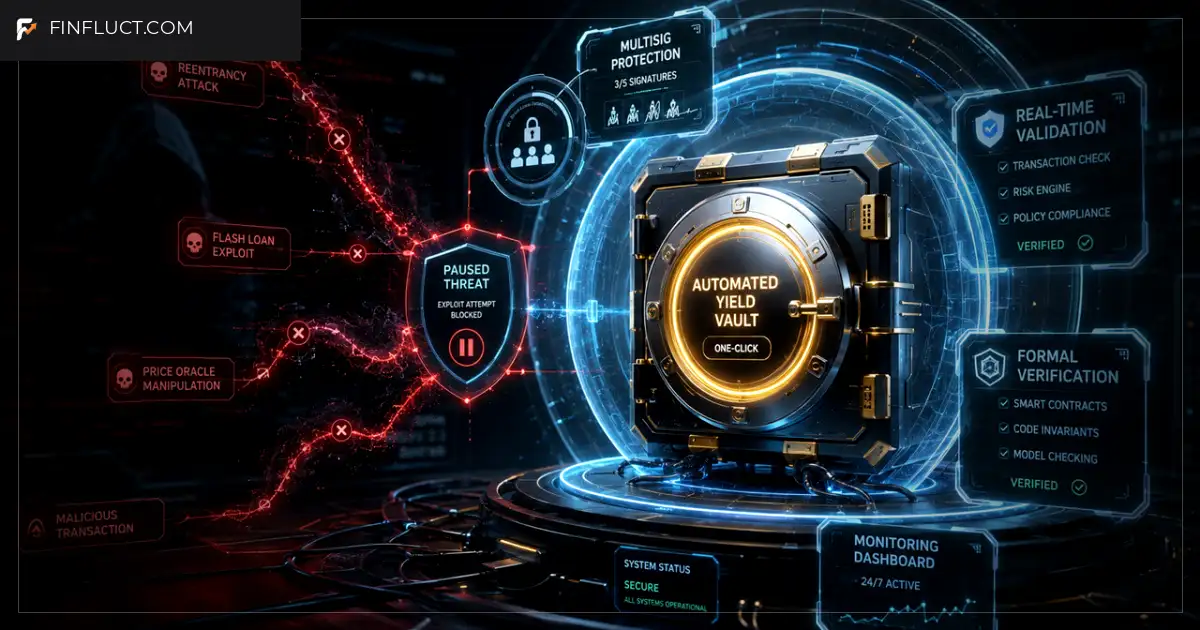
Stake DAO’s core contributors acted decisively to mitigate further damage. They announced the successful securing of the vsdCRV backing on the Ethereum mainnet, ensuring that no mainnet funds could be seized by the attacker. Additionally, the team deactivated the vsdCRV bridge, effectively confining the economic impact of the exploit to the Arbitrum ecosystem.
- Boosted yields: Unaffected
- Liquid Lockers: Unaffected
- Votemarket: Unaffected
- Stake DAO lending on Morpho: Unaffected
However, the protocol confirmed that the Arbitrum asdCRV Llamalend market would be permanently sunset following the incident. Users have been advised against interacting with vsdCRV contracts, and crvUSD depositors are urged to move their capital to alternative, unaffected Llamalend markets.
Broader Implications for DeFi Security
This exploit surfaces amidst ongoing discussions about the inherent safety of the DeFi sector. It follows a viral thesis by Openzeppelin co-founder Manuel Aráoz, who controversially asserted that “all DeFi is unsafe.” While Openzeppelin distanced itself from Aráoz’s comments, emphasizing that he left the company in 2019, the incident adds complexity to the industry’s efforts to rebuild confidence.
Openzeppelin acknowledged artificial intelligence (AI) as a real threat vector but also highlighted its power as a defensive tool when applied with “rigor and expert human judgment.” They stated, “Our researchers use AI daily to catch more issues and edge cases. The answer to AI risk is not retreat from DeFi. It is better security.” Many recent security incidents, they contend, stem from operational security failures rather than fundamental smart contract flaws.
Next Steps and Law Enforcement
Stake DAO has notified law enforcement agencies and is actively collaborating with external security partners. Their efforts include tracking the flow of stolen assets and conducting a comprehensive forensic audit of the compromised smart contracts to understand the full scope of the breach and prevent future occurrences.
Frequently Asked Questions (FAQ)
- What happened to Stake DAO? An infinite-minting exploit occurred on its Arbitrum protocol, allowing an attacker to create 5.4 trillion synthetic vsdCRV tokens and drain approximately $91,000.
- Were mainnet funds affected? No, Stake DAO core contributors quickly secured mainnet funds backing the vsdCRV tokens, confining the exploit’s economic impact to the Arbitrum ecosystem.
- What is Stake DAO doing now? They have notified law enforcement, are collaborating with security partners to track stolen assets, and are conducting a forensic audit. They also sunset the Arbitrum asdCRV Llamalend market.
- Is DeFi inherently unsafe? While recent exploits raise concerns, many industry experts argue that robust security practices, continuous audits, and advanced tools, including AI, can significantly enhance DeFi safety.